
Why You Should Focus On Making Improvements To Refrigerator With 0-Degree Zone Test
작성자 정보
-
 Eve 작성
- 작성일
본문
Exploring the 0-Degree Zone in Refrigeration: A Comprehensive Test
Fridges are a staple in contemporary kitchen areas, crucial for preserving food quality and guaranteeing it lasts longer. One function that has actually amassed attention recently is the 0-degree zone, often promoted as a perfect service for saving meats, Gefrierschrank Mit Lieferung Und Anschluss fish, and other perishables. But what does the 0-degree zone entail, and is it really effective? In this article, we will dive into the principle of the refrigerator's 0-degree zone, carry out an extensive test of its abilities, and respond to common concerns surrounding this function.
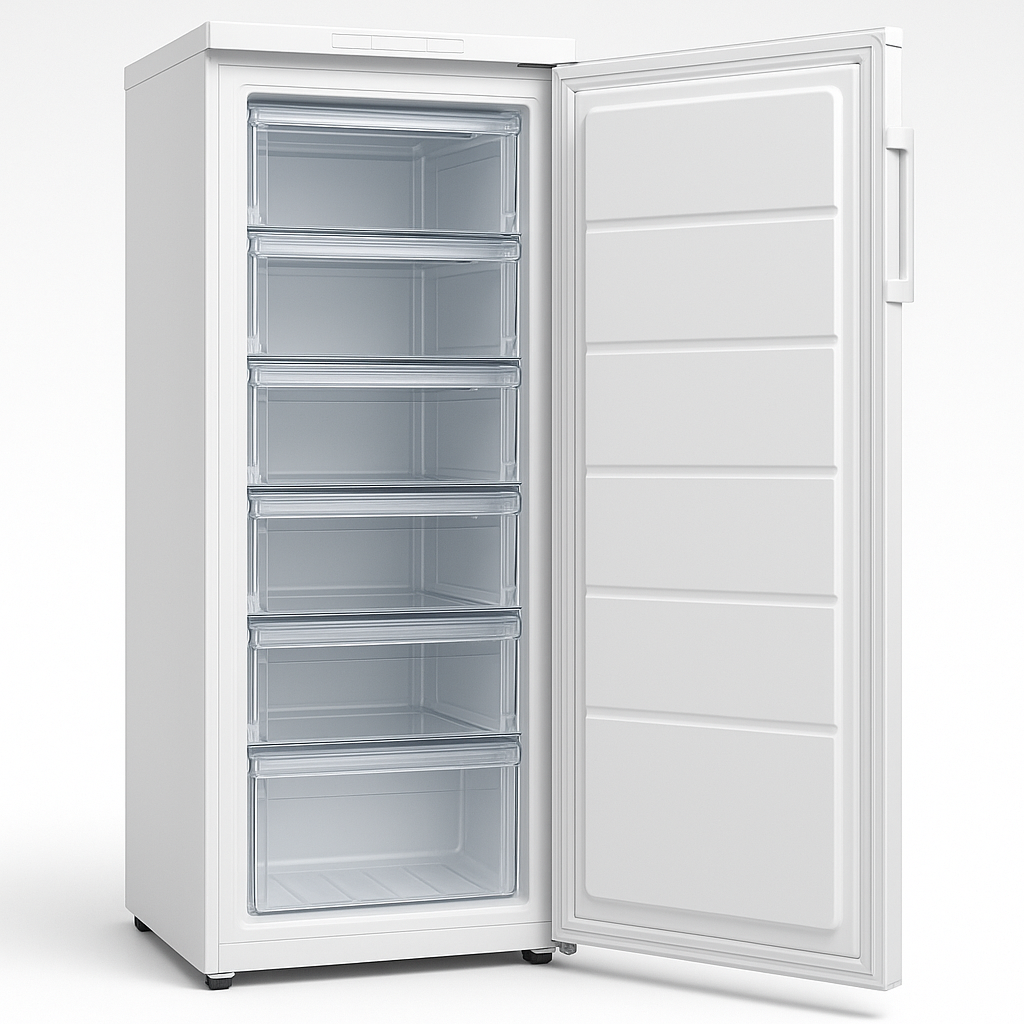
What is a 0-Degree Zone?
A 0-degree zone describes a specialized area within a refrigerator designed to keep a temperature around 32 ° F(0 ° C). This temperature level is optimum for keeping disposable items fresh without freezing them. While traditional refrigeration operates at a little above freezing temperature levels (typically in between 32 ° F and 40 ° F ), the 0-degree zone intends to extend the freshness of items that are more vulnerable to putridity.
Key Benefits of the 0-Degree Zone
- Extended Freshness: Ideal for storing meats and fish, the cold temperature can assist slow down bacterial growth.
- Protected Quality: Fruits and vegetables can retain their texture and taste longer when saved at this optimal temperature level.
- Decreased Spoilage: Prevents freezer burn for items that are traditionally kept in regular freezer compartments.
The Test: Evaluating Refrigerator 0-Degree Zones
To examine the efficiency of the 0-degree zone, a variety of fridges, geared up with this feature, were tested for their performance over a two-week duration. Food products frequently saved in this area were monitored, consisting of beef, chicken, fish, fruits, and veggies. Here's a breakdown of the approach and results.
Test Methodology
- Fridges Selected: Five different designs featuring 0-degree zones.
- Items Stored:
- Ground beef
- Chicken breasts
- Salmon fillets
- Strawberries
- Carrots
- Temperature level Monitoring: Internal temperature levels were logged daily utilizing precise thermometers placed in the 0-degree zone.
- Quality Assessment: At the end of the two-week period, visual evaluations and taste tests were carried out.
Test Results
Table 1: Temperature Consistency Across 0-Degree Zones
| Refrigerator Model | Typical Temperature ( ° F)Fluctuation Range ( ° F | |
|---|---|---|
| ) Model A | 32.5 | 31.0 to 34.0 |
| Design B | 31.8 | 30.0 to 33.0 |
| Model C | 32.2 | 31.5 to 34.5 |
| Model D | 32.0 | 31.0 to 33.5 |
| Model E | 30.5 | 29.5 to 31.5 |
Table 2: Quality Assessment of Food Items After Two Weeks
| Food Item | Refrigerator Model A | Model B | Model C | Design D | Design E |
|---|---|---|---|---|---|
| Hamburger | Fresh | Fresh | Somewhat Discolored | Ruined | Ruined |
| Chicken Breasts | Fresh | Fresh | Slightly Dry | Spoiled | Ruined |
| Salmon Fillets | Fresh | Fresh | Fresh | Somewhat Dry | Spoiled |
| Strawberries | Fresh | Slightly Soft | Fresh | Spoiled | Spoiled |
| Carrots | Crisp | Crisp | A little Wilted | Soft | Ruined |
Observations From the Test
Temperature level Consistency: All evaluated refrigerators maintained temperature levels close to the wanted 0-degree mark. However, Model A and Model B showed superior consistency with minimal variation, making them more reliable for maintaining food.
Food Preservation: Items kept in Model A and Model B revealed very little signs of spoilage, while those in Models D and E showed substantial degeneration, especially the meat items.
Moisture Retention: The refrigeration models, regardless of preserving low temperature levels, managed to maintain the moisture levels of the food properly, particularly in Models A and B.
The 0-degree zone in modern-day fridges presents a valuable improvement for those looking for to prolong the life of their perishable goods. This feature sticks out for its ability to maintain optimum temperature levels while minimizing wasting and retaining food quality.
FAQs
1. What types of food are best matched for the 0-degree zone?
Foods that benefit from storage in the 0-degree zone include meats, seafood, prepared meals, some dairy products, and certain fruits and veggies that do not freeze well.
2. How can I inform if my refrigerator has a 0-degree zone?
Examine your refrigerator's user manual or the temperature controls. Numerous brand names include a specific compartment identified as the 0-degree zone or similar phrasing.
3. Is it safe to store food in the 0-degree zone?
Yes, offered that the temperature level regularly stays around the 0-degree mark. Keeping food at this temperature assists limit germs growth while preserving freshness.
4. Can the 0-degree zone be adjusted?
In a lot of refrigerators, the temperature level settings for the 0-degree zone can be changed, but it's recommended to keep it near or at 32 ° F for ideal results.
5. How long can food last in the 0-degree zone?
This can vary depending upon the kind of food. Meat and fish can last longer than in a routine fridge but check specific standards for best practices on storage times.
In conclusion, investing in a refrigerator with a 0-degree zone not just enhances food preservation practices however likewise ensures that your components preserve their quality and taste. By checking out different designs and their abilities, customers can make informed choices that suit their food storage needs.
관련자료
-
이전
-
다음